September 13, 2026. 4 minute read.
What we mean when we say built to our spec.
People ask how a Stone ukulele comes to be, and the honest answer takes a paragraph, so here it is.
By David Macapinlac
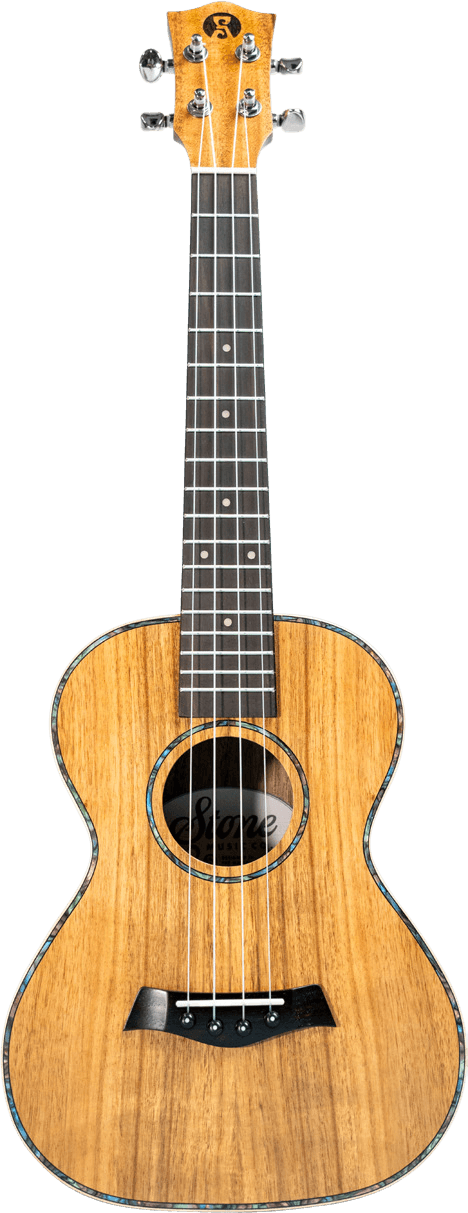
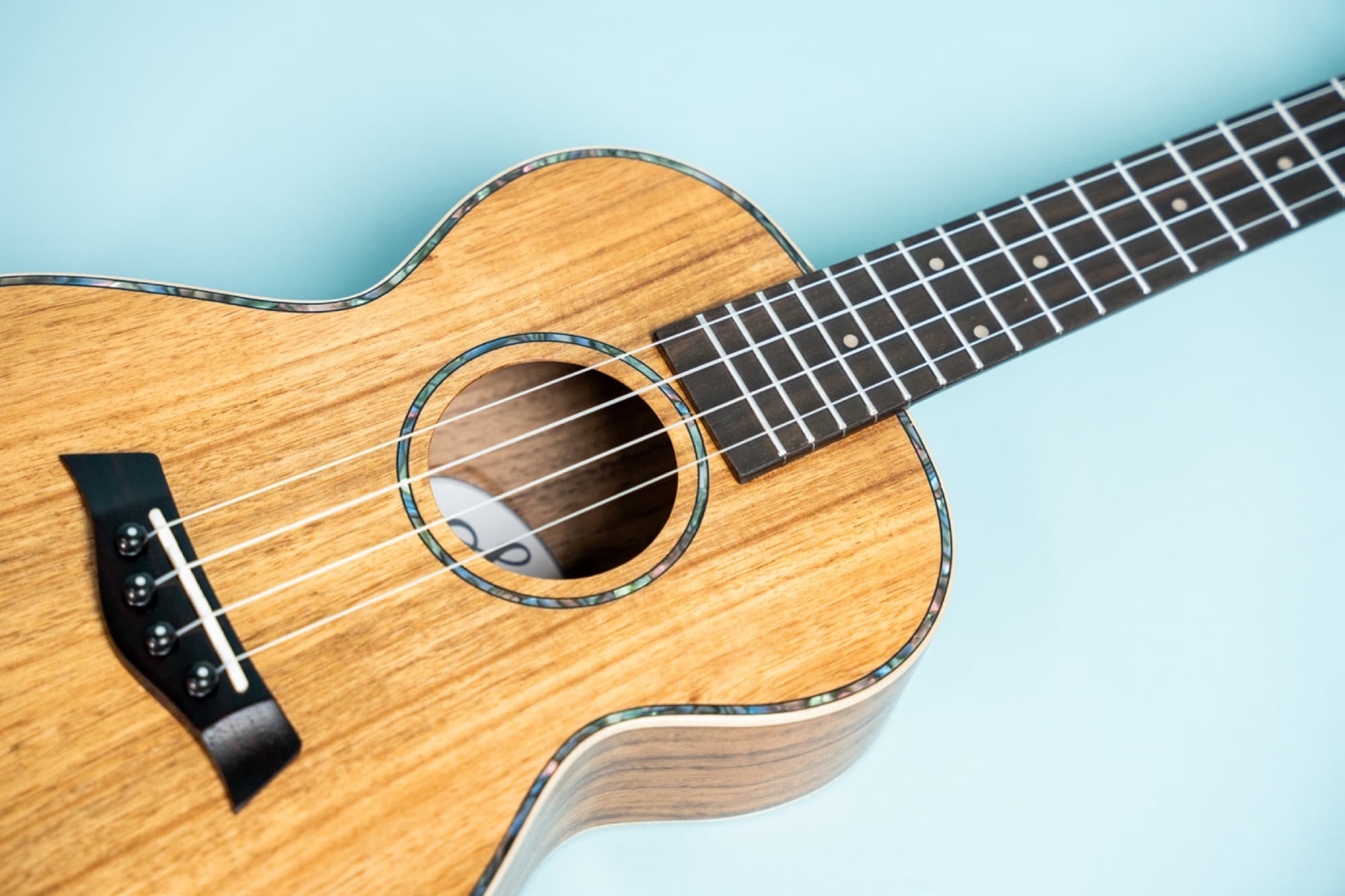
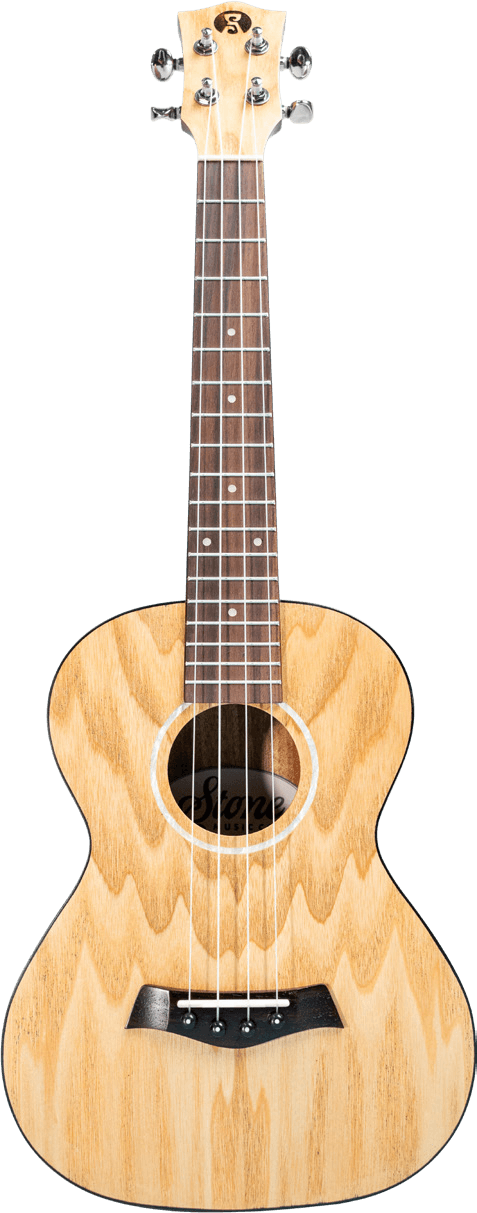
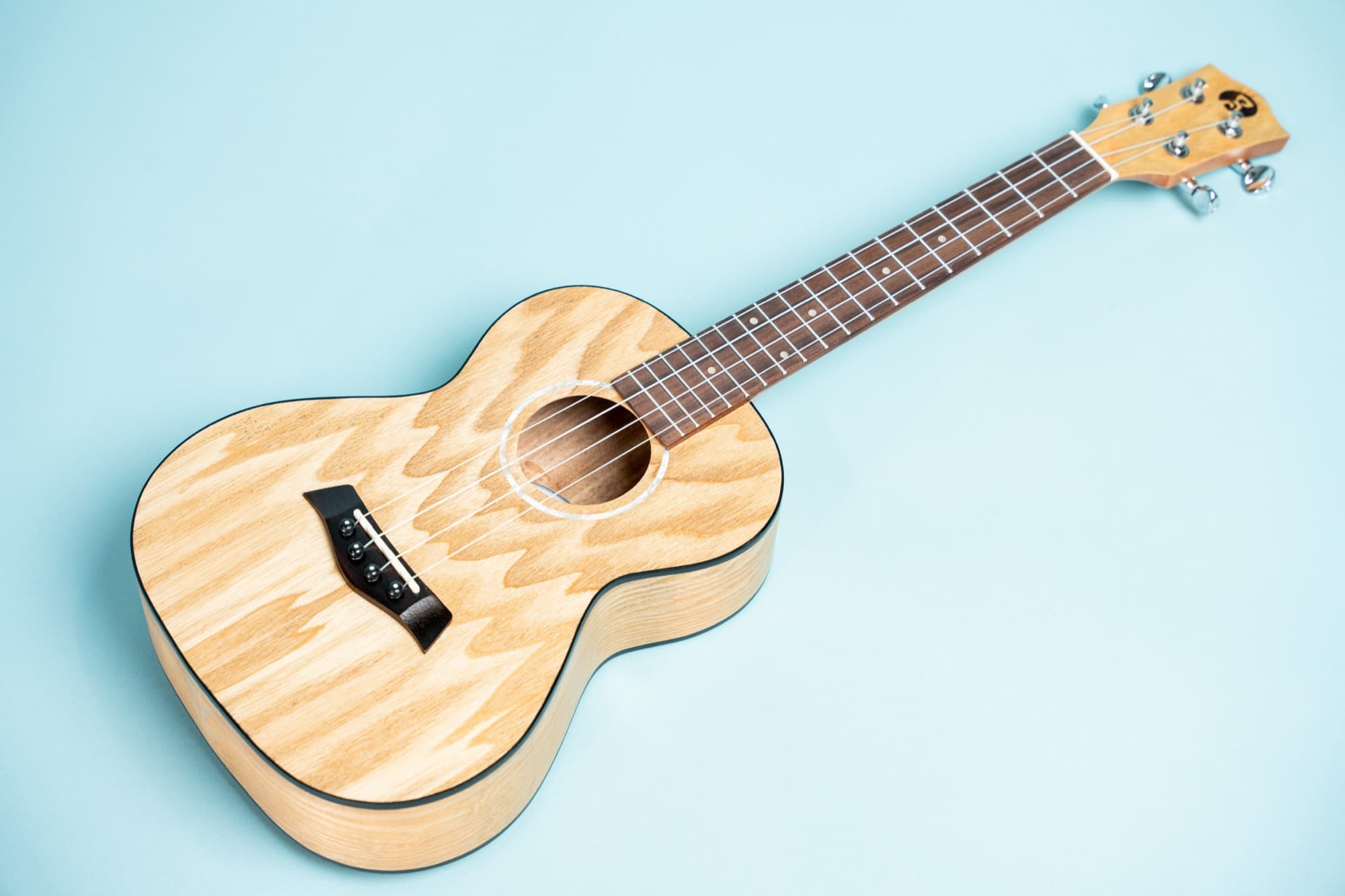
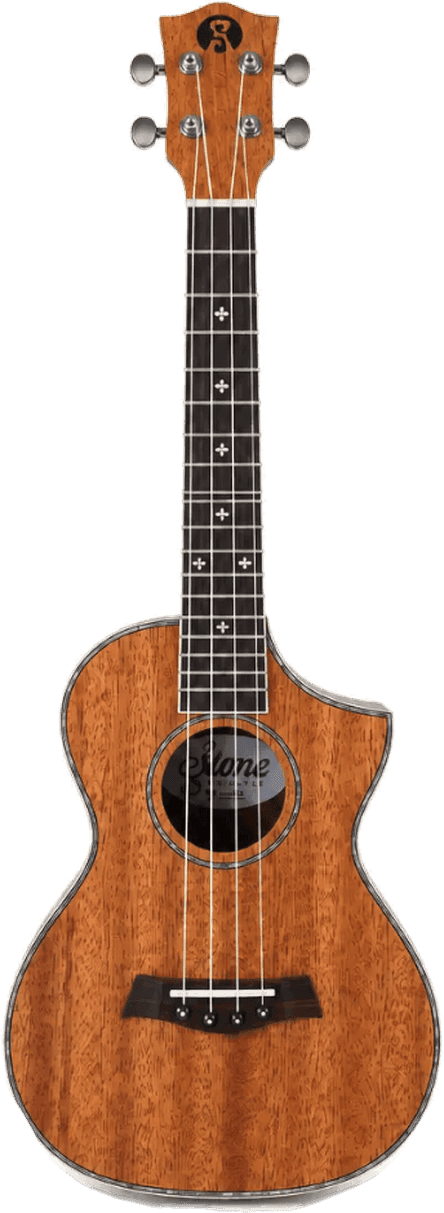
Every Stone tenor starts as a spec sheet written on Guam. We decide the scale length, the body wood, the binding, the material of the nut and saddle, the tuners, the string brand, the finish, the logo on the headstock and the label inside the soundhole. Then a manufacturing partner builds the instrument to that sheet, because we do not own a factory, and we would rather tell you that than pretend otherwise.
When the instruments arrive, they are unpacked, set up and checked here before anyone plays one. We look at the strings, the action, the intonation and the finish, and if something is off, it does not ship.
Why the wording matters
A brand that claims an instrument is made somewhere it is not is lying to the people it most wants to reach, and our people are here, so they would know. That is why the line is designed on Guam and built to our spec. It is true and it is specific, and it is the only version of the story you will hear from us.
What you are actually buying
- A 26-inch tenor with an ox bone nut and saddle, a Richlite fretboard and bridge, chrome tuners and Aquila strings.
- A matte finish that looks like wood rather than lacquer.
- The only Guam-branded ukulele on the market.
- A padded bag, because an instrument without one is a repair waiting to happen.
That is the whole pitch. If you want an instrument with a story attached, the story is that we grew up here and we wanted a ukulele that said so.